
15% Off ~ Use Code: VIP15
The Secret Behind Every Piece We Make
Not all leather is created equal — and once you understand the difference, you’ll never look at your wallet, belt, or bag the same way again.
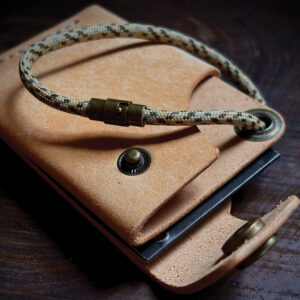
The Secret Behind Every Piece We Make
Walk into any big-box store and you’ll find leather goods everywhere — cheap wallets, mass-produced belts, factory-stamped bags. They look fine on the shelf. But give them six months and you’ll notice the cracking, the peeling, the faded color that never deepened the way you hoped.
At Middleton Artisan Leather, we do things differently. Every single piece we craft starts with the same foundation: vegetable tan leather. It’s a choice we make deliberately, every time — because we believe the material you start with determines everything about the final product.
So what exactly is vegetable tan leather, why does it matter, and why do we trust it above all other options? Let’s break it down in plain terms.
What Is Vegetable Tan Leather? (And What It’s Not)
To understand vegetable tan leather, it helps to understand what tanning actually means. Raw animal hide — straight from the source — is not the leather you know. It’s stiff, prone to rotting, and unusable as-is. Tanning is the process that transforms that raw hide into durable, workable leather.
There are two primary ways to do this:
1. Chrome Tanning (The Fast Way)
The majority of leather you’ll encounter today — roughly 80–90% of all commercially produced leather — is chrome tanned. It uses chromium salts and chemicals to speed the process up dramatically. A hide can go from raw to finished in as little as 24 to 48 hours.
It’s fast. It’s cheap. And it produces soft, uniform leather that’s easy to work with at scale.
But there are trade-offs. Chrome-tanned leather doesn’t develop character over time the way natural leather does. It’s harder to work with hand tools, doesn’t take dye or finish as naturally, and raises legitimate environmental concerns due to the chemical waste involved.
2. Vegetable Tanning (The Right Way)
Vegetable tanning — often shortened to “veg tan” — is the original method, dating back thousands of years. Instead of chemicals, it uses natural tannins found in tree bark, leaves, and plant matter. Oak, chestnut, mimosa, and quebracho bark are common sources.
The process is slow. Depending on the thickness of the hide, vegetable tanning can take anywhere from a few weeks to several months. The hides are soaked in progressively stronger tannin baths, carefully worked and conditioned along the way.
The result? Leather that’s firmer, more structured, and absolutely alive with character.
Where We Source Our Leather
We take sourcing seriously at Middleton Artisan Leather. We partner with trusted, reputable suppliers who share our commitment to quality and traditional methods.
Two vendors we rely on and recommend for those who want to explore the craft themselves:
- The Tannery Row — A go-to resource for premium veg tan hides, known for their carefully selected, consistent stock and excellent customer support for craftspeople at every level.
- Rocky Mountain Leather Supply — Another trusted source offering a wide selection of vegetable tan leather in various weights and finishes, perfect for everything from small goods to full bag projects.
Both suppliers uphold the standards we expect: quality hides, honest sourcing, and leather that performs the way it should.
Why Vegetable Tan Leather Produces Superior Products
It Develops a Patina Over Time
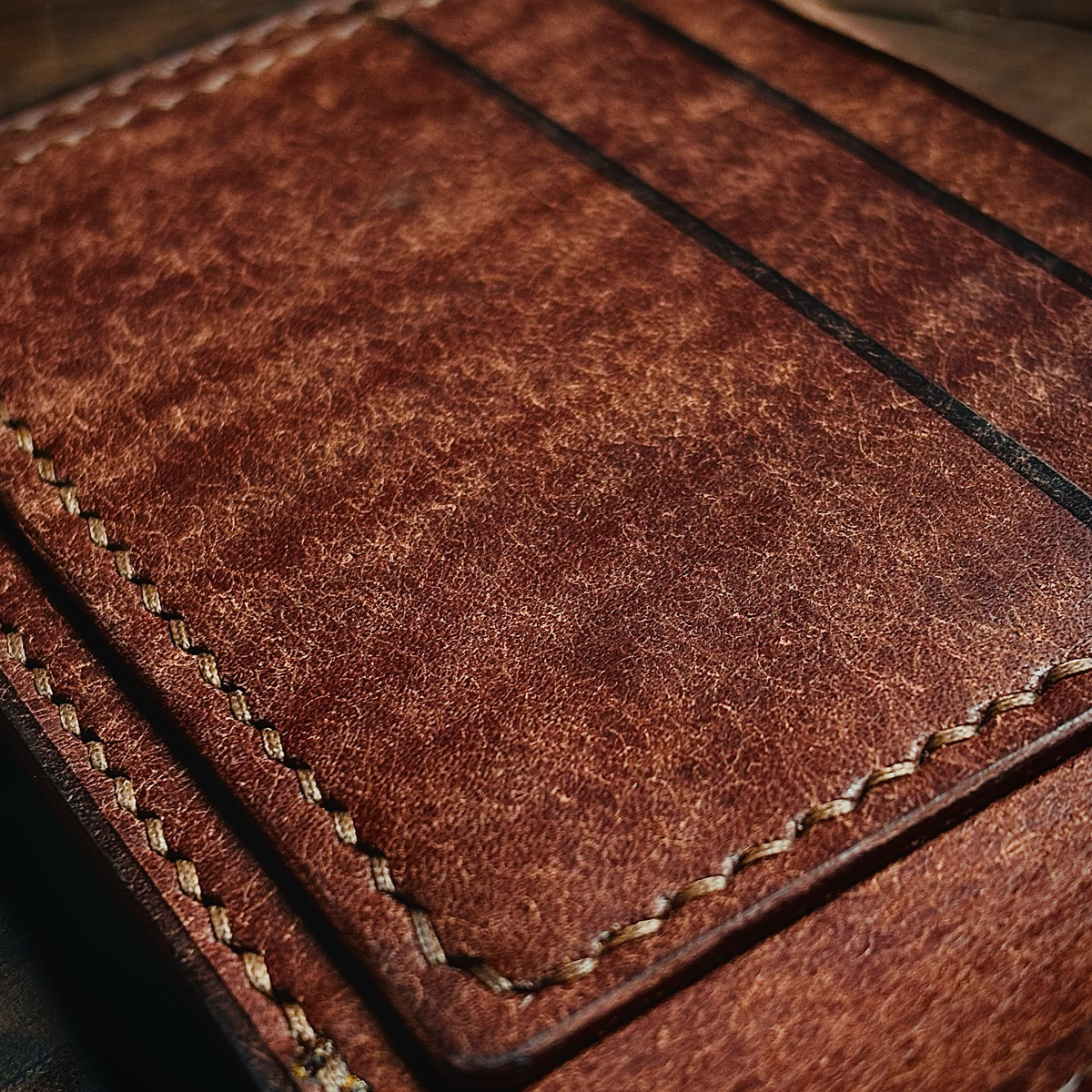
This is the feature most people fall in love with first. Vegetable tan leather responds to use. The oils from your hands, exposure to light, and everyday contact gradually darken and enrich the leather’s surface, creating a unique patina that is entirely yours.
No two pieces age the same way. Your wallet, after a year of use, will look completely different from someone else’s — even if they started with the identical piece. That’s not wear and tear. That’s a story.
Chrome-tanned leather, by contrast, tends to fade or crack rather than deepen. It doesn’t tell a story. It just gets old.
It’s Stronger and More Durable
Vegetable tan leather is denser and firmer than its chrome-tanned counterpart. That structure means it holds its shape, resists stretching, and stands up to years of heavy use. The slow tanning process allows the tannins to penetrate deeply into the hide’s fiber structure, creating a bond that lasts.
At Middleton Artisan Leather, we design our products to be heirloom-quality — things you can pass down. That kind of longevity requires material that can go the distance.
It’s Better for the Environment
The vegetable tanning process uses natural, plant-based tannins rather than heavy metals or synthetic chemicals. The byproducts are significantly less toxic, and many tanneries using traditional methods operate in ways that are far more sustainable than large industrial chrome tanneries.
When you buy a vegetable tan leather product from us, you’re supporting a craft that has minimal environmental impact — and a supply chain we feel good about.
It Works Beautifully With Hand Tools
For leather artisans, vegetable tan leather isn’t just preferred — it’s often required for quality work. Because of its firm, consistent structure, veg tan leather:
- Tooled and carved beautifully — hand stamps and carving tools create crisp, clean impressions that hold their shape permanently
- Takes dye and finish evenly — colors go on smoothly and soak in naturally
- Burnishes to a high shine — edges can be finished to a professional, polished look using nothing but water and friction
- Stitches cleanly — the material holds thread well without tearing or stretching around stitch holes
These qualities are why professional leather artisans around the world — and at Middleton Artisan Leather — wouldn’t use anything else for quality handcraft.
The Life of a Veg Tan Hide: From Tree Bark to Your Hands
Here’s a simplified walk-through of how vegetable tan leather is made:
1. Hides Are Prepared Raw hides are cleaned, soaked, and de-haired. The goal at this stage is to get the hide as clean and uniform as possible before tanning begins.
2. Soaking in Tannin Baths The hides are submerged in a series of pits or drums filled with increasingly concentrated tannin solutions. This gradual process ensures deep, even penetration of the natural tannins throughout the entire thickness of the hide.
3. Time Does the Work This is where vegetable tanning is fundamentally different. There’s no way to rush it. The hides soak for weeks or months, slowly transforming from raw material into genuine leather. Tannery workers monitor and turn the hides regularly throughout this period.
4. Drying and Finishing Once tanning is complete, the leather is dried, conditioned with natural oils, and finished to the tannery’s standards. At this stage, the leather takes on its characteristic firm texture and natural tan color — ready for artisans like us to work with.
5. Into Our Workshop When the leather arrives at our bench, it’s a blank canvas. We cut, tool, dye, stitch, and burnish each piece by hand — turning that carefully prepared leather into something that will outlast trends, seasons, and decades.
Caring for Your Vegetable Tan Leather
One of the best things about veg tan leather is how easy it is to care for. A few simple steps will keep your piece looking great and aging beautifully for years:
- Condition regularly with a natural leather conditioner or beeswax-based product to keep the fibers supple
- Keep it dry — if it gets wet, let it air dry naturally away from heat sources
- Embrace the patina — those darkening spots and wear marks are features, not flaws
- Store properly — keep leather goods away from direct sunlight and extreme heat when not in use
The more you use a quality veg tan piece, the better it looks. It’s one of the few things in life that actually improves with age.
Our Promise to You
At Middleton Artisan Leather, vegetable tan leather isn’t just a material choice — it’s a statement of values. We believe in making things that last, using materials with integrity, and honoring a craft that goes back centuries.
Every belt, wallet, bag, and accessory we make is built on that foundation. When you invest in a piece from us, you’re not buying something disposable. You’re getting something that will grow with you, carry your story, and hold up through every chapter of it.
Explore our full collection at middletonleather.com and feel the difference quality leather makes — right from the first hold.
Have questions about our materials or process? We’d love to talk leather. Reach out to us directly through our website.